
India’s property market continues evolving rapidly. However, retail investment now attracts serious attention. Investors actively explore high-footfall commercial zones across major cities. Consequently, Retail Corridor Real Estate emerges as a powerful investment category in 2026.
Retail corridors combine strong consumer traffic with thriving commercial activity. Therefore, investors often achieve stable rental income and property appreciation. Moreover, organized retail expansion continues transforming urban markets. As a result, demand for Retail Corridor Real Estate continues increasing nationwide.
This guide highlights opportunities, trends, and strategies shaping retail corridor investments across India.
Lorem ipsum dolor sit amet, consectetur adipiscing elit. Ut elit tellus, luctus nec ullamcorper mattis, pulvinar dapibus leo.
Retail Corridor Real Estate: Understanding the Investment Landscape
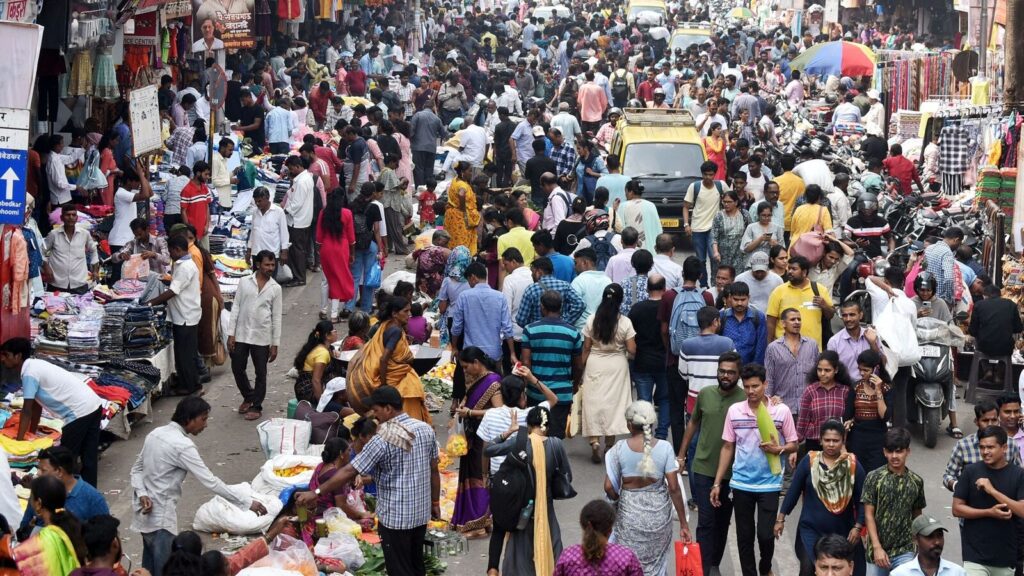
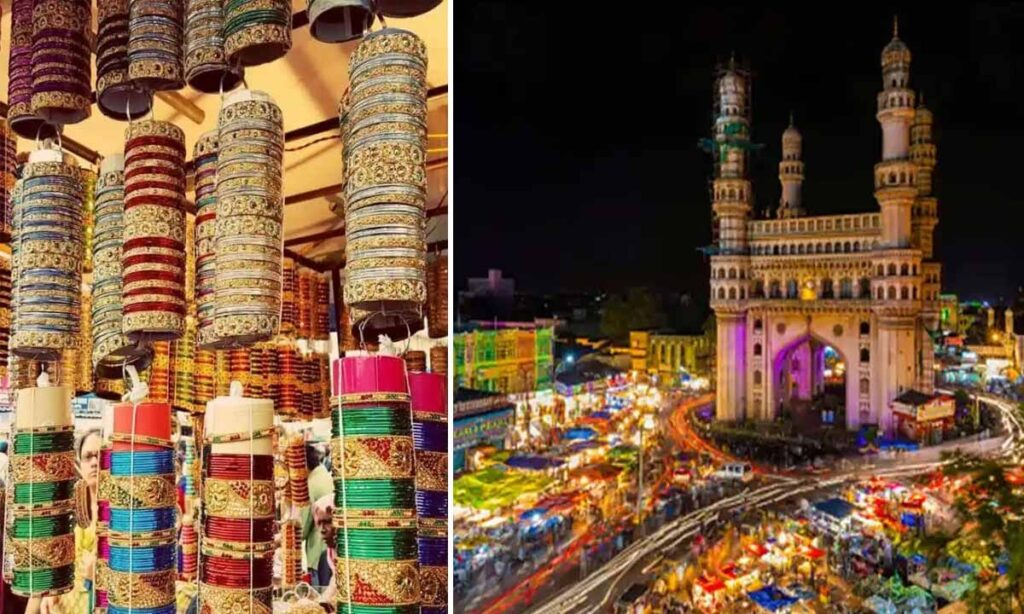
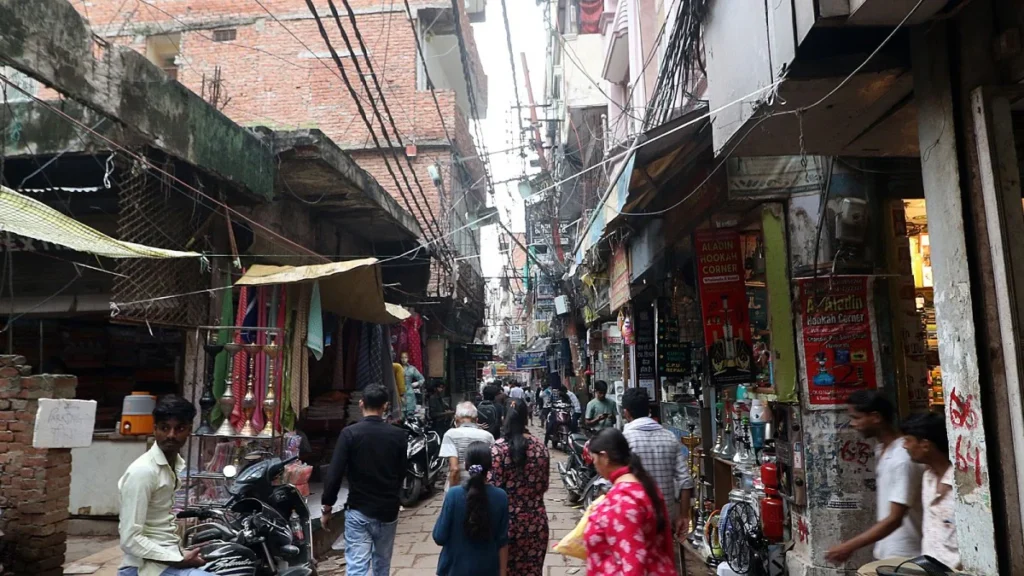
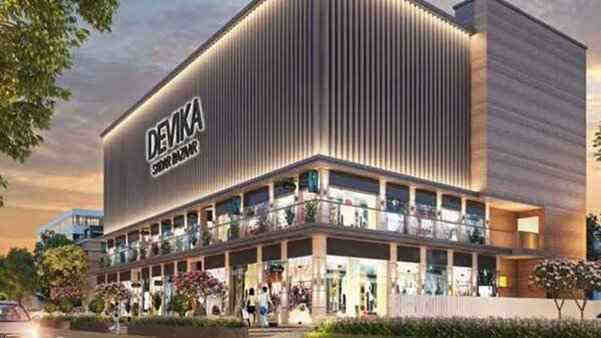
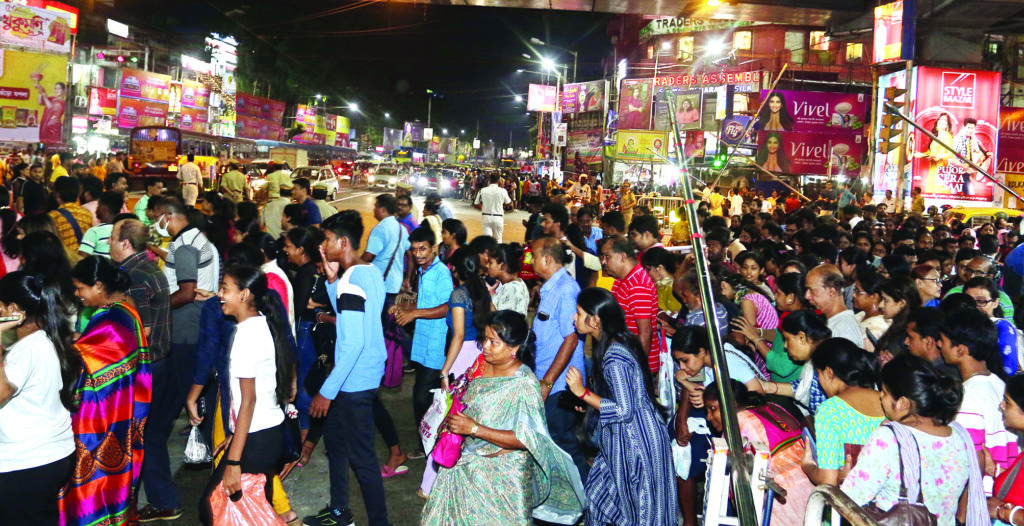
Retail corridors represent commercial streets filled with retail outlets and service businesses. These zones usually experience heavy pedestrian traffic. Consequently, businesses prefer locations that guarantee strong visibility.
Investors actively target these areas due to consistent tenant demand. Therefore, Retail Corridor Real Estate continues gaining traction among commercial property investors. Additionally, modern infrastructure projects enhance retail accessibility across growing cities.
Retail corridors often develop near metro stations, highways, and business districts. Meanwhile, urban consumers increasingly prefer convenient shopping destinations. As a result, retail corridors remain vibrant commercial ecosystems.
.
Why Retail Corridor Real Estate Attracts Investors
Retail investments deliver unique advantages compared with residential assets. Rental yields generally remain higher in commercial zones. Consequently, investors consider Retail Corridor Real Estate a strong income-generating asset.
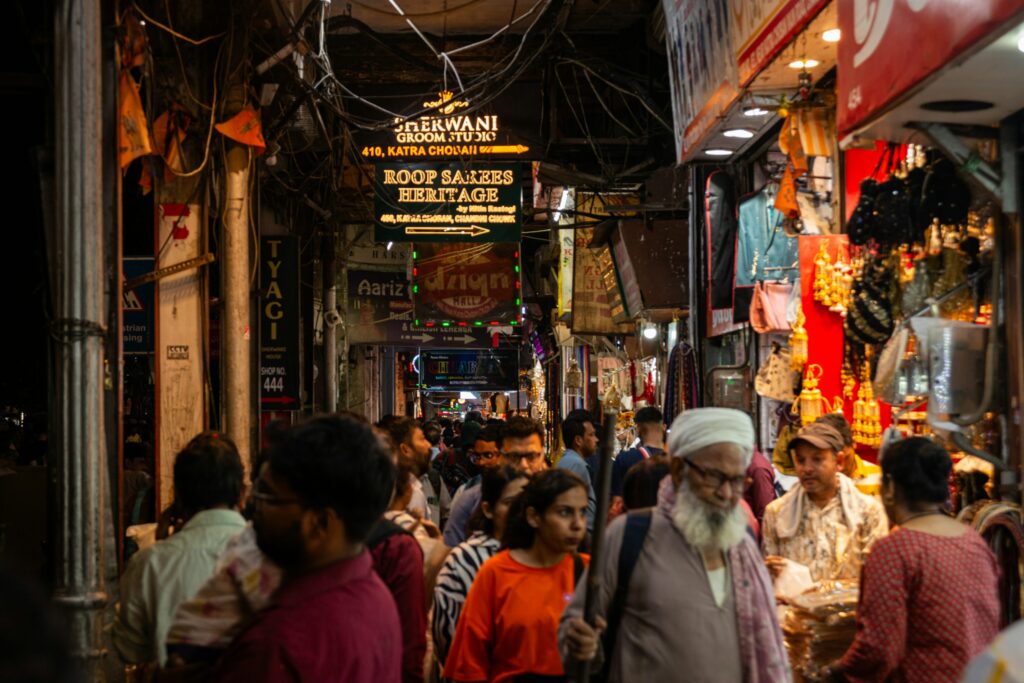
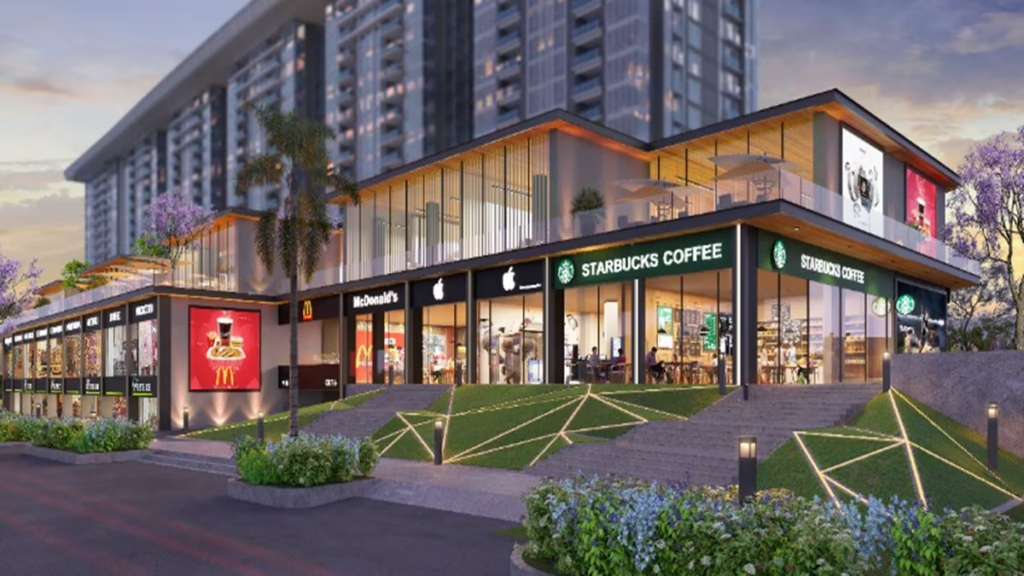
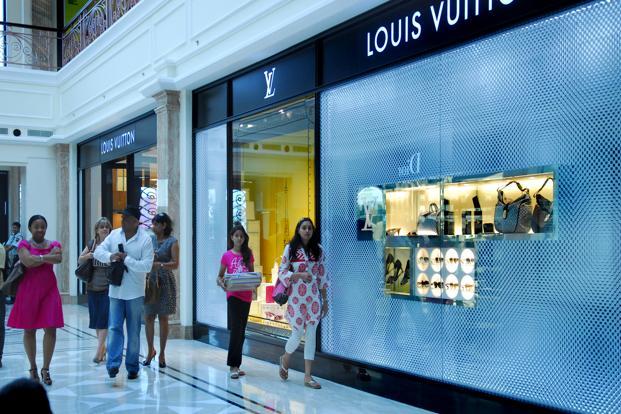
High street retail locations maintain consistent tenant demand. Therefore, vacancy risks remain lower than in isolated commercial spaces. Moreover, premium retail corridors attract global brands and franchise operators.
Retail businesses prioritize visibility and accessibility. As a result, prime corridors experience steady leasing activity. Investors therefore benefit from reliable rental cash flow and long-term appreciation.
Top Cities for Retail Corridor Real Estate in India
Several Indian cities lead the retail corridor investment market. Rapid urban expansion continues creating strong commercial demand. Consequently, Retail Corridor Real Estate opportunities appear across major metropolitan hubs.
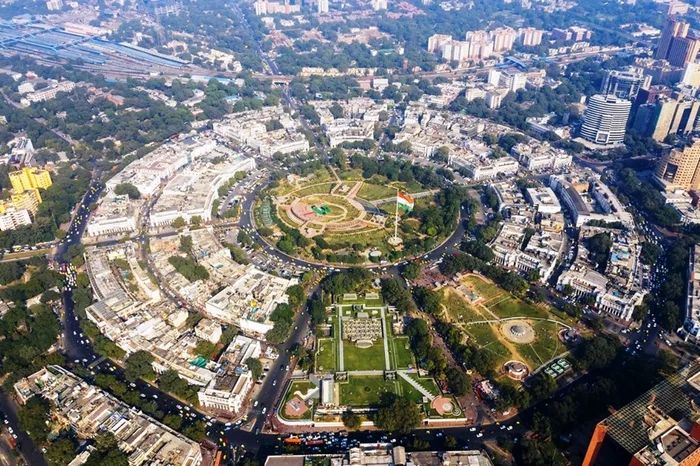
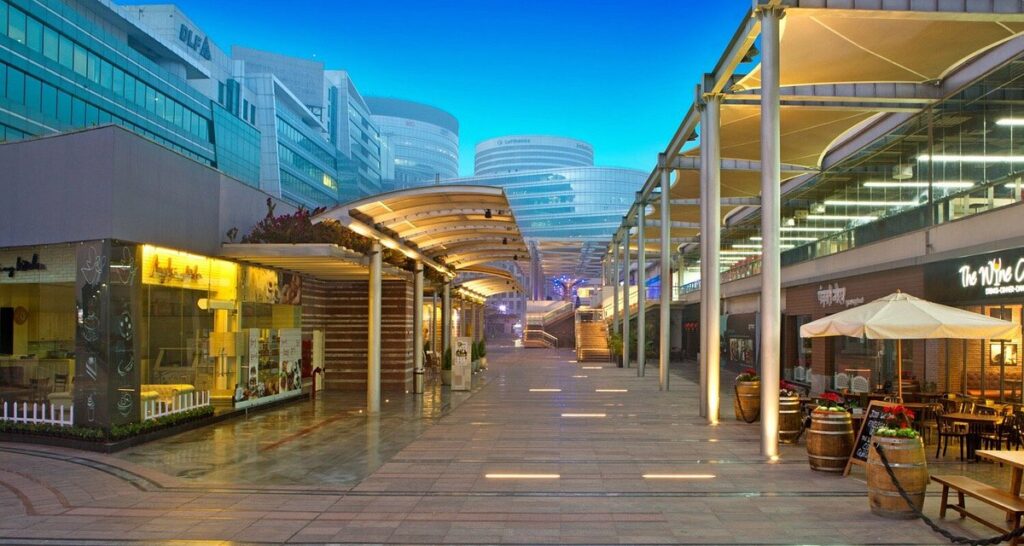
Delhi NCR remains one of the strongest retail investment zones. Gurgaon and Noida feature several high-footfall commercial corridors. Meanwhile, Mumbai hosts iconic retail streets attracting both tourists and locals.
Bangalore also continues expanding its retail landscape. Therefore, emerging business districts experience rising retail demand. Additionally, Hyderabad and Pune attract investors seeking new retail growth corridors.
These cities provide infrastructure, population density, and economic growth. Consequently, retail corridors thrive in these vibrant markets.

High Street Retail as Retail Corridor Real Estate Opportunity
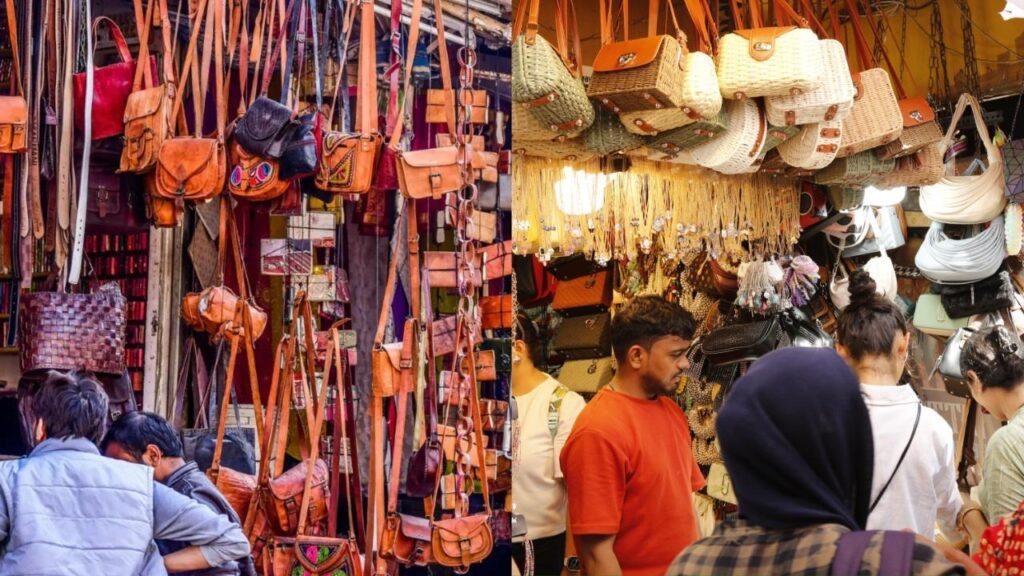
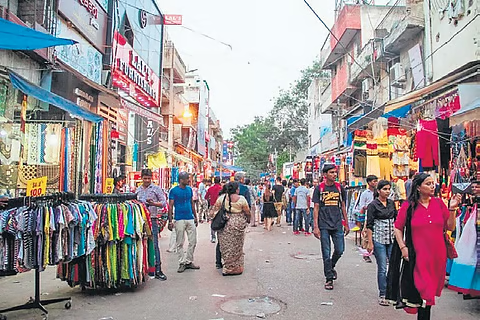
High street retail remains the backbone of urban shopping culture. These streets host fashion brands, restaurants, and lifestyle outlets. Therefore, high streets dominate Retail Corridor Real Estate investments.
Consumers prefer open retail streets due to convenience and accessibility. Consequently, footfall remains consistently high in these zones. Investors therefore achieve higher rental returns from such locations.
High street properties also appreciate faster than many conventional commercial spaces. Moreover, brand presence increases property value significantly. As a result, high street corridors remain a profitable investment choice.
Infrastructure Growth Boosting Retail Corridor Real Estate
Infrastructure development plays a critical role in retail corridor expansion. Metro connectivity dramatically increases retail footfall. Consequently, properties near transit hubs experience rapid appreciation.
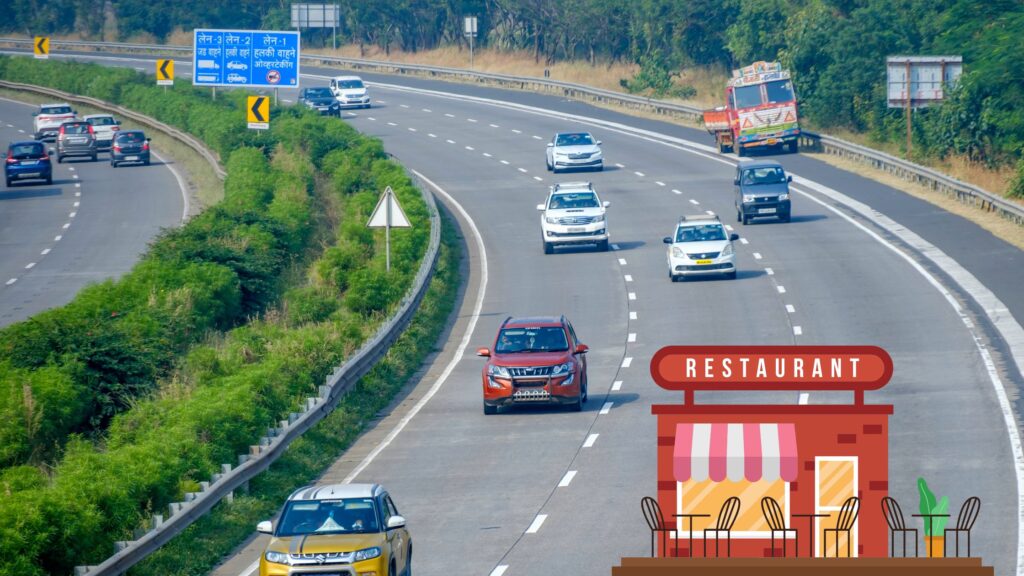
New highways and expressways also create commercial growth zones. Therefore, developers actively launch retail projects along major infrastructure corridors. Investors often secure early opportunities within emerging Retail Corridor Real Estate markets.
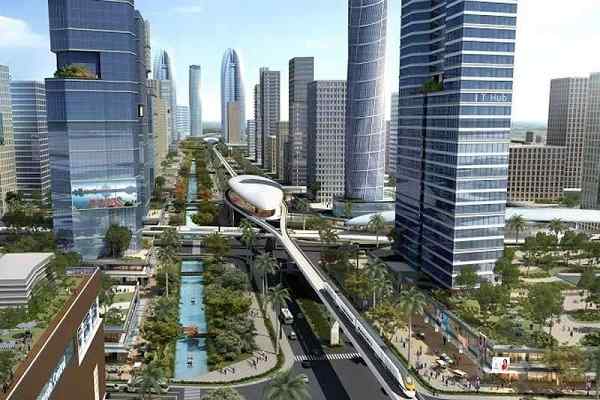
Additionally, smart city initiatives enhance urban commercial environments. Improved transportation networks therefore support retail corridor development.
Retail Corridor Real Estate and Rental Income Potential
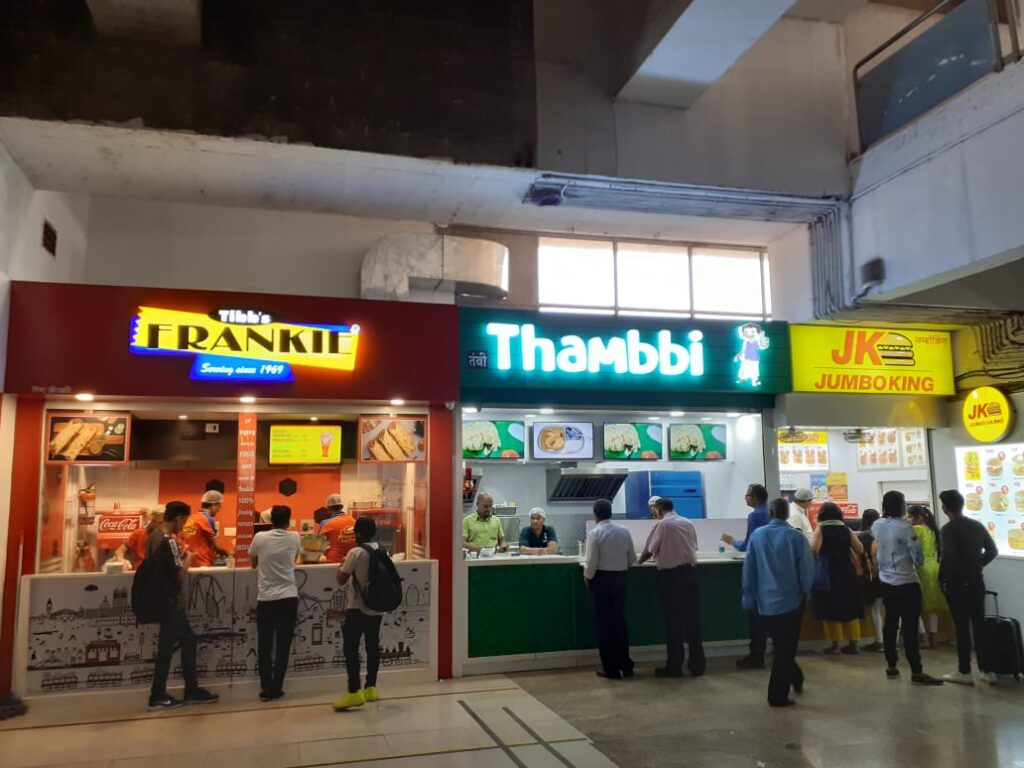
Rental income remains the strongest attraction for retail investors. Retail tenants typically commit to long-term leases. Consequently, Retail Corridor Real Estate generates stable monthly income.
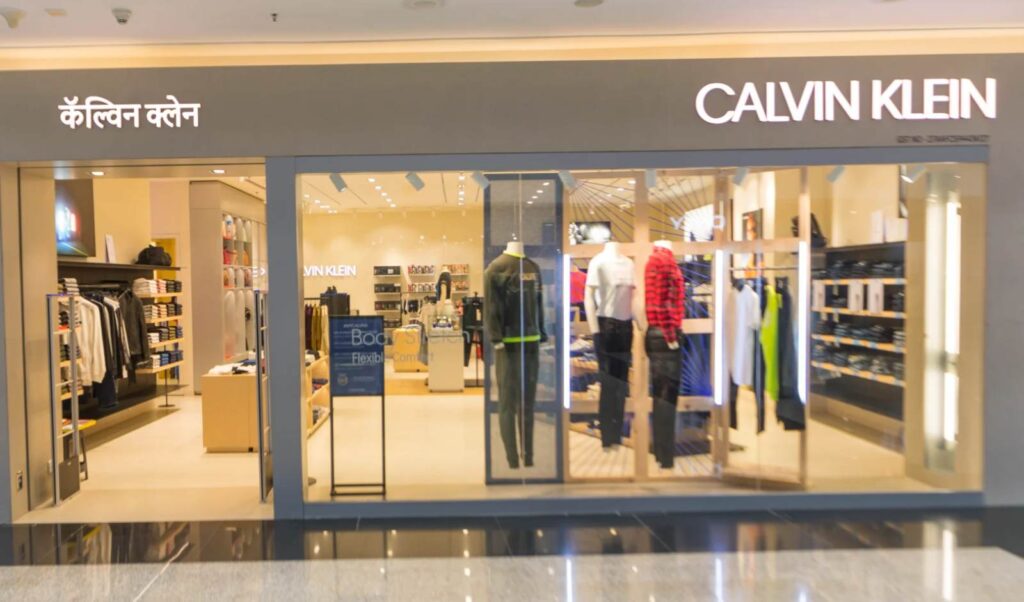
Retail businesses prioritize high visibility and customer access. Therefore, prime retail spaces command premium rental rates. Moreover, international brands compete for prime corridor locations.
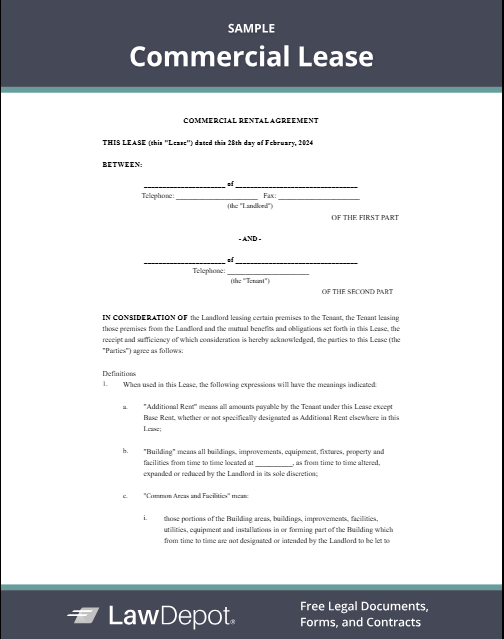
Retail tenants often invest heavily in store interiors and branding. Consequently, they prefer longer lease agreements. Investors therefore enjoy reliable cash flow and reduced tenant turnover.
Key Factors for Successful Retail Corridor Real Estate Investment
Smart investors evaluate several factors before entering retail markets. Location always remains the most critical consideration. Therefore, high footfall zones attract stronger business activity.
Connectivity also influences retail performance significantly. Properties near transport hubs attract greater customer traffic. Additionally, surrounding residential density supports retail demand.
Investors must also review developer credibility and project approvals. Consequently, careful due diligence protects investment security. Strategic research therefore improves success within Retail Corridor Real Estate markets.
Retail Corridor Real Estate Trends Shaping 2026
Retail real estate continues evolving with changing consumer habits. Experiential retail concepts now dominate urban shopping districts. Consequently, lifestyle stores, cafes, and entertainment venues fill retail corridors.
Technology integration also transforms modern retail environments. Digital payments and smart storefronts attract tech-savvy consumers. Therefore, retail corridors adapt quickly to modern retail trends.
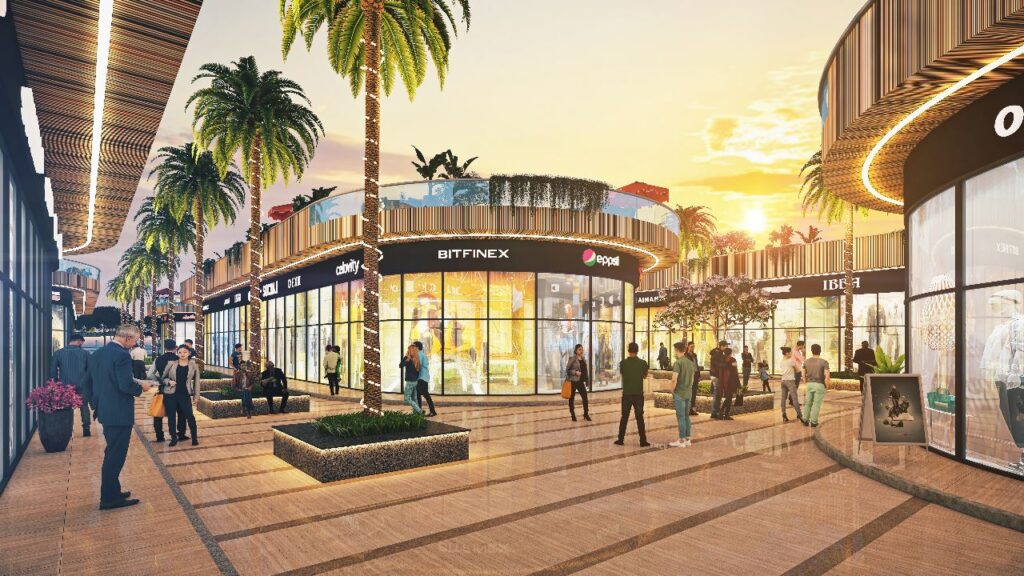
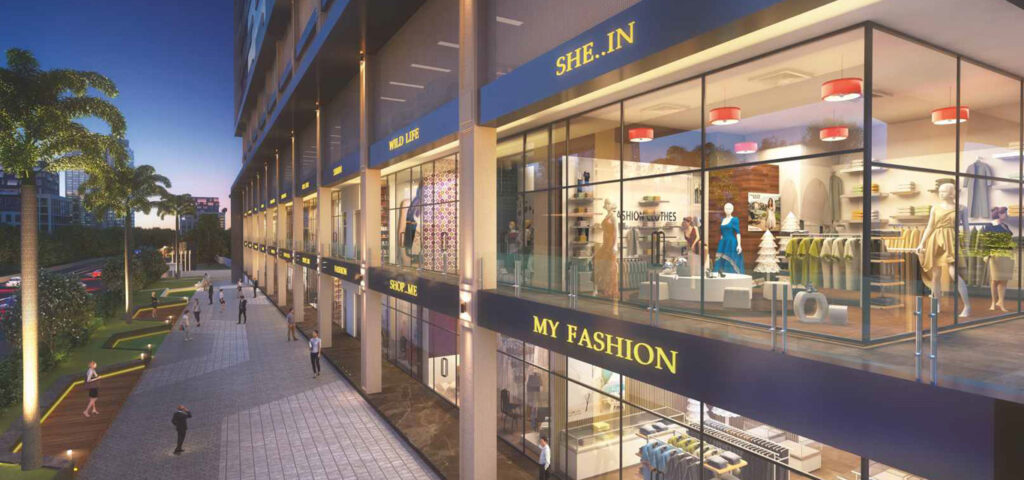
Mixed-use developments also influence Retail Corridor Real Estate growth. Residential towers, offices, and retail outlets now coexist within integrated communities. As a result, retail demand remains consistent throughout the day.
Future Growth of Retail Corridor Real Estate in India
India’s retail sector continues expanding rapidly. Rising consumer spending drives commercial demand across urban centers. Consequently, Retail Corridor Real Estate remains one of the most promising property segments.
Urban population growth continues increasing retail consumption. Moreover, global brands actively enter the Indian market. Retail corridors therefore evolve into premium commercial destinations.
Developers also invest heavily in retail infrastructure. As a result, new commercial corridors emerge in developing urban districts. Investors who identify early opportunities often secure substantial returns.
Conclusion
Retail property investments continue gaining popularity among modern investors. High consumer traffic and strong brand presence drive consistent commercial demand. Consequently, Retail Corridor Real Estate stands out as a profitable investment opportunity.
Prime retail corridors offer strong rental income and long-term appreciation. Additionally, infrastructure development supports future retail growth. Strategic investors therefore continue exploring retail corridor opportunities across India.
Retail corridors combine business energy, urban convenience, and investment potential. Therefore, Retail Corridor Real Estate remains a powerful strategy for building long-term commercial wealth in India.